How to Choose the Right Fit Out Contractor for Your Commercial Project
Commercial construction & renovation
Choosing the right fit out contractor is one of the most important decisions you’ll make when planning a commercial space. Whether you’re opening a new location or reworking an existing one, the contractor you hire will directly impact your timeline, budget, and how smoothly the entire process unfolds.
What a Fit Out Contractor Actually Does
Before getting into how to choose one, it helps to understand the scope of what a fit out contractor is responsible for.
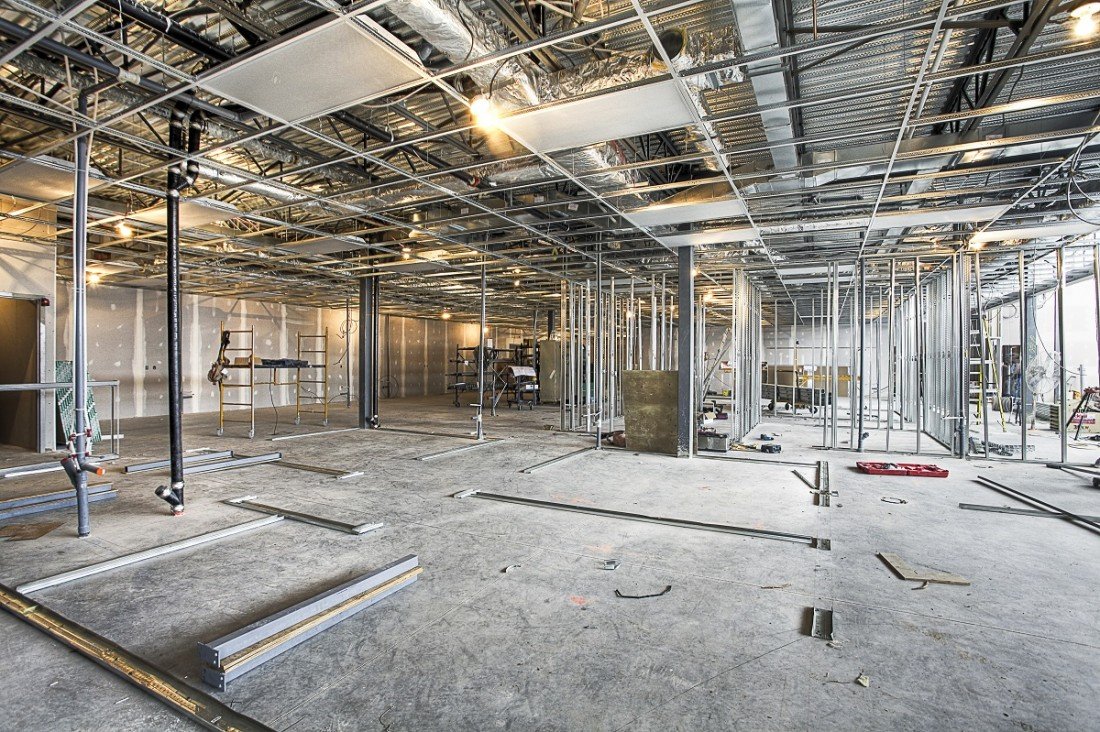
A commercial fit out contractor takes an interior space and transforms it into a functional environment tailored to a business’s needs. That process includes coordinating design, managing subcontractors, scheduling work, and ensuring the project meets local building codes.
Depending on the project, that can involve everything from framing and electrical work to HVAC installation and final finishes. It also includes handling inspections and keeping the project moving on schedule.
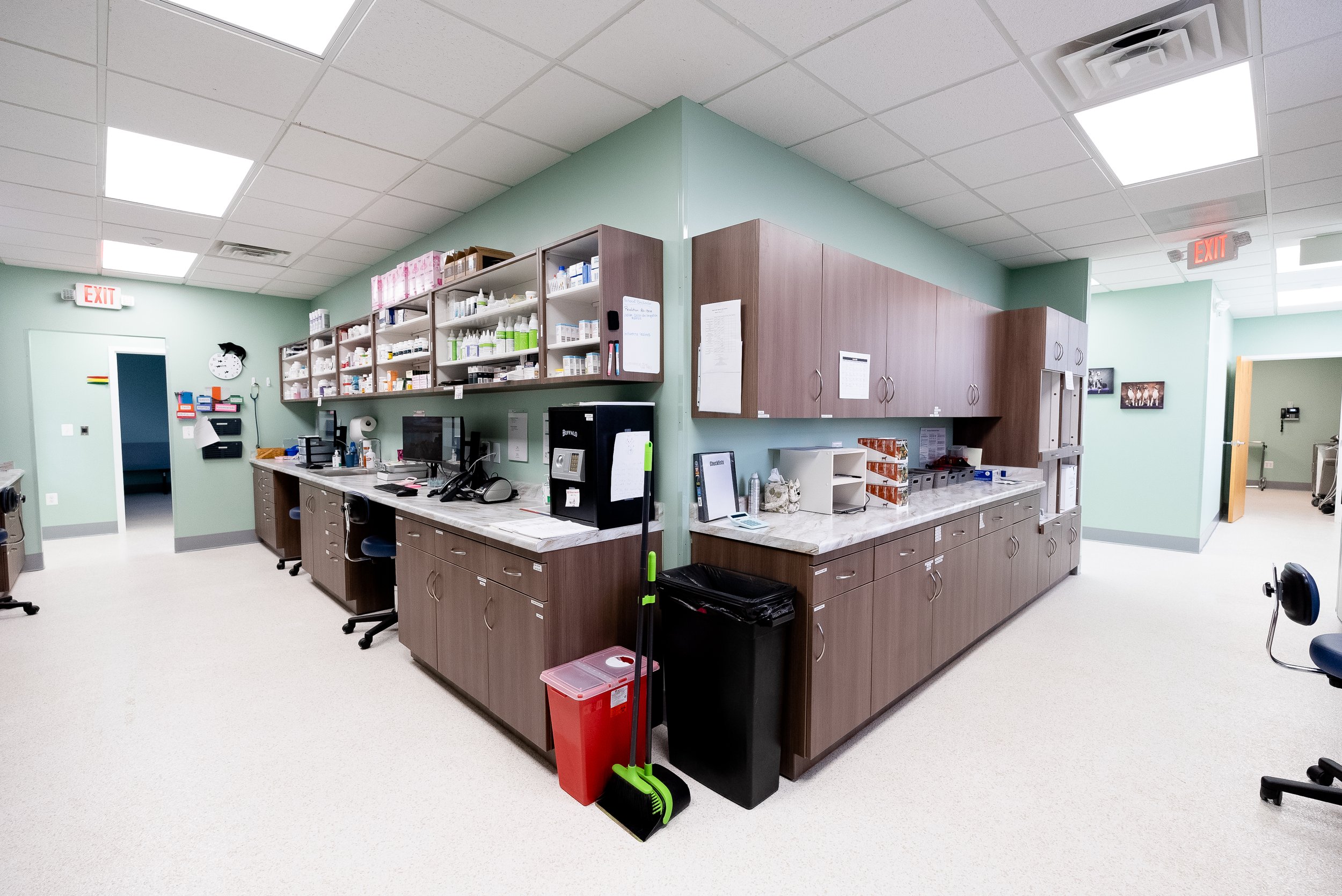
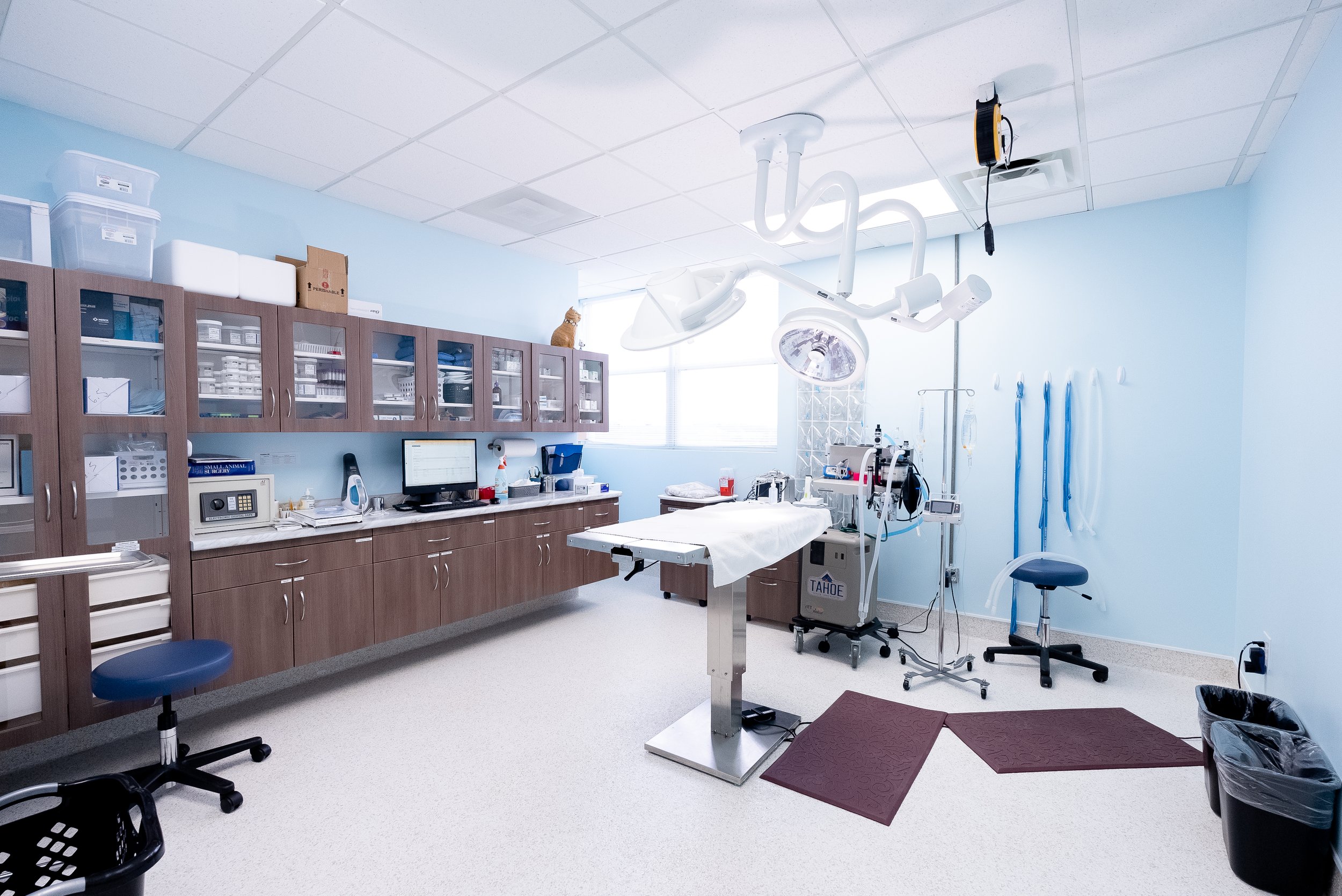
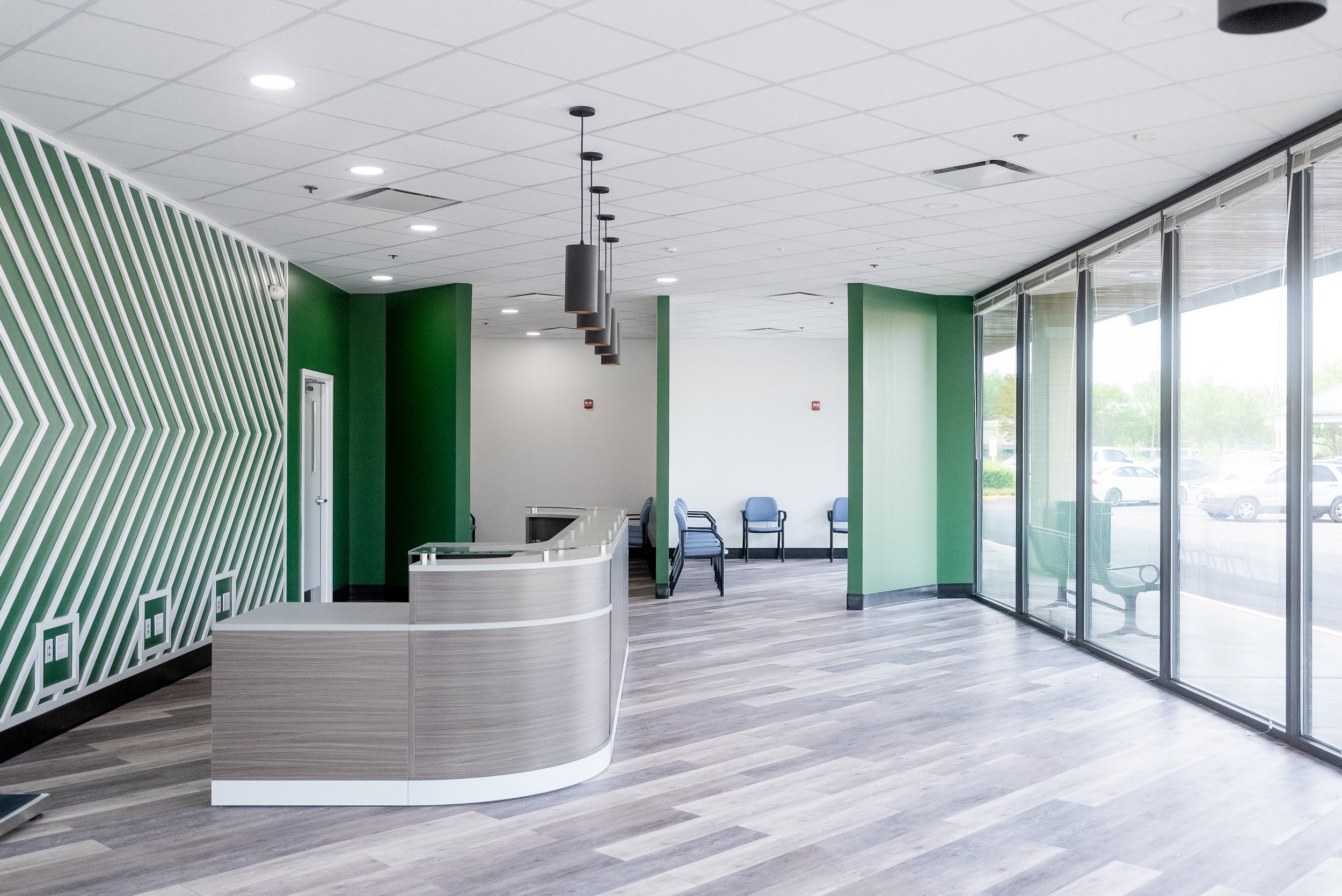
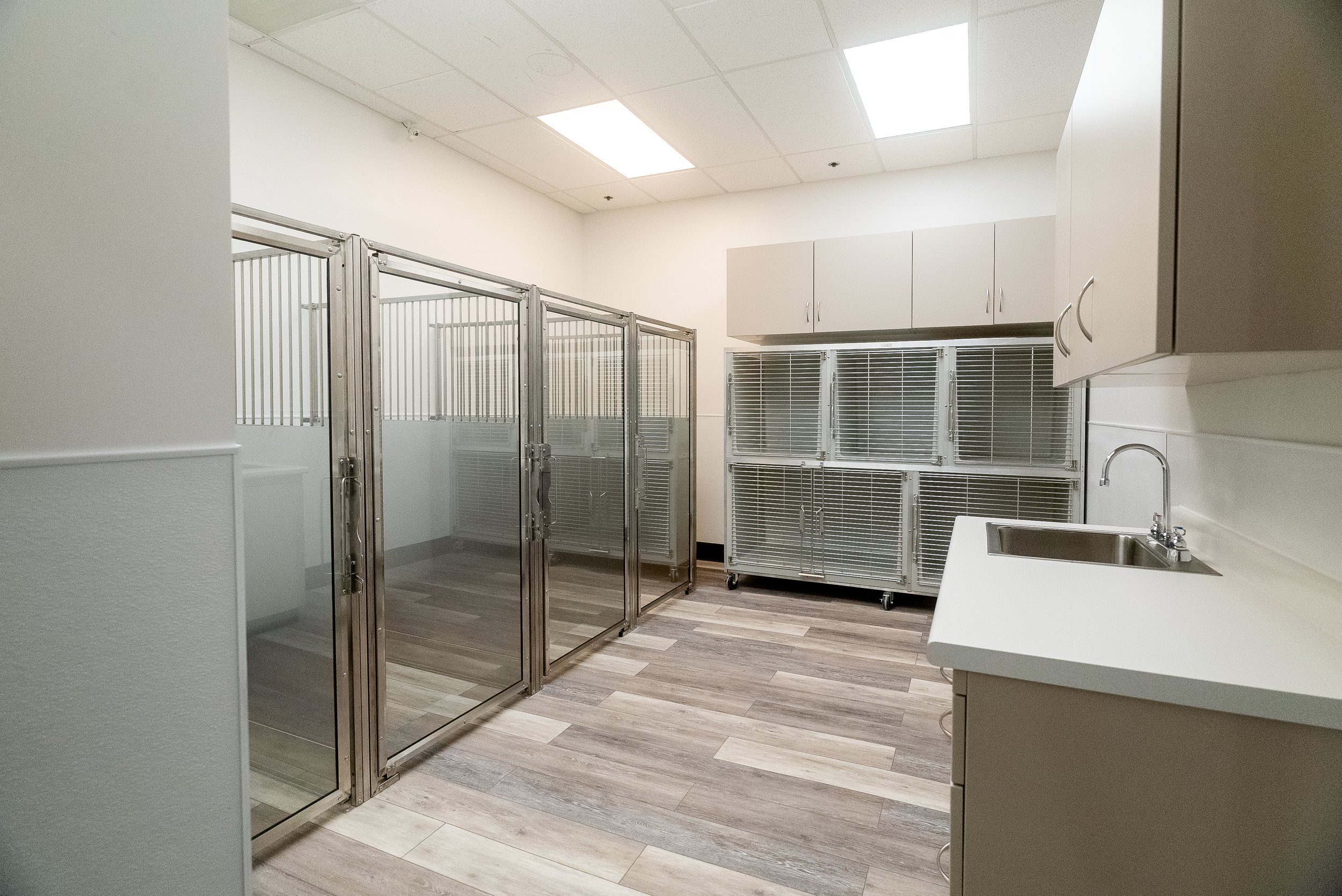
If you’re planning a build-out, you can see how these projects are typically handled here: https://www.landisent.com/tenant-finish-build-outs
Experience That Matches Your Type of Project
Not all commercial construction projects are the same. An office build-out has different requirements than a medical space, retail environment, or restaurant.
One of the first things to look for in a commercial fit out contractor is relevant experience. That means experience with similar layouts, similar systems, and similar regulatory requirements.
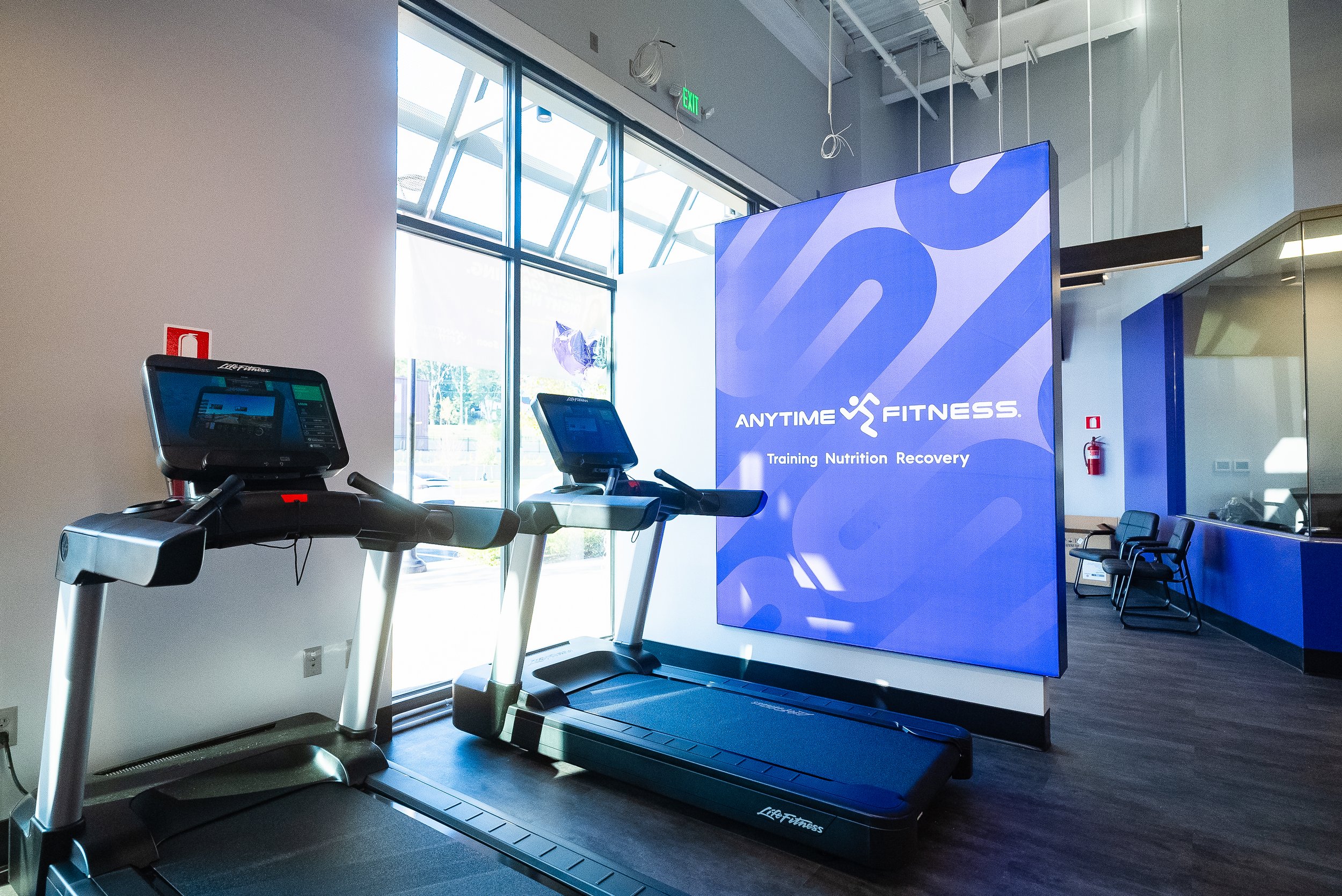
For example, a contractor who understands the mechanical and electrical demands of a fitness facility or healthcare space is going to approach the project differently than one who primarily handles general office layouts.
Experience doesn’t just affect quality. It affects how efficiently a project is planned and executed from the start.
Understanding of MEP and Code Requirements
A major part of any commercial build-out involves mechanical, electrical, and plumbing systems. These systems have to work together within the space and meet code requirements.
An experienced contractor understands how these systems interact and how they affect layout decisions. They also understand how to plan for inspections and approvals without slowing the project down.
In Virginia, projects must comply with building and fire safety codes, including standards informed by organizations like the National Fire Protection Association (https://www.nfpa.org). Missing something in this area can lead to delays, failed inspections, or costly rework.
A contractor who plans for these requirements early will save time later.
Ability to Manage Timeline and Coordination
Most commercial projects are driven by deadlines. Businesses often need to open by a certain date, which means the construction schedule matters just as much as the construction itself.
A good fit out contractor understands sequencing. They know how to coordinate trades so that work happens in the right order and without unnecessary downtime.
For example, electrical and HVAC work needs to be completed before walls are closed, and inspections need to be scheduled at specific stages. If that coordination slips, the entire project timeline can shift.
This is where experience shows up in a very practical way. A contractor who manages schedules well keeps the project moving forward without constant delays.
You can get a broader view of how commercial construction is coordinated here: https://www.landisent.com/commercial-services
Communication Throughout the Project
One of the biggest frustrations in construction projects is lack of communication. When business owners don’t know what’s happening, small issues can quickly turn into bigger problems.
A reliable tenant fit out contractor provides consistent updates and sets clear expectations. That includes outlining timelines, explaining delays if they occur, and making sure everyone involved understands the current stage of the project.
Good communication also means being proactive. Instead of reacting to problems after they happen, a strong contractor identifies potential issues early and works through them before they impact the project.
Why the Wrong Fit Out Contractor Causes Problems
Choosing the wrong contractor usually doesn’t show up immediately. It shows up in the middle of the project.
Projects can slow down because of poor scheduling. Costs can increase because of missed details in the planning phase. Work may need to be redone if systems aren’t coordinated properly.
In some cases, projects run into compliance issues that delay approvals or require additional work to meet code.
These problems aren’t always obvious at the beginning, which is why it’s important to look beyond pricing and focus on how the contractor approaches the process as a whole.
How Fit-Out Projects Work in Virginia
Commercial construction projects in Virginia involve coordination with local jurisdictions, permitting offices, and inspection processes.
Even relatively straightforward build-outs can require approvals for electrical, plumbing, or structural work. These approvals are tied to the Virginia Uniform Statewide Building Code and enforced at the local level.
Timelines can vary depending on the location and complexity of the project. Some jurisdictions move quickly, while others require more review time.
Contractors who regularly work in Virginia understand how to navigate these processes. They know how to prepare documentation, schedule inspections, and keep the project moving without unnecessary delays.
Organizations like OSHA (https://www.osha.gov) also set standards for jobsite safety, which contractors must follow throughout construction.
How to Make the Right Decision
Choosing a fit out contractor isn’t about finding the lowest price. It’s about finding a team that can deliver the project without creating avoidable problems.
Look for a contractor who understands your type of project, communicates clearly, and has a structured approach to planning and execution.
It also helps to review past work and understand how they’ve handled similar projects. A contractor who can walk you through real examples will give you a clearer picture of what to expect.
If you’re in the early stages of planning, it’s worth having a conversation before finalizing decisions. You can reach out here to start that process:
https://www.landisent.com/contact
Final Thoughts
A commercial fit-out is a complex process that involves more than just construction. It requires coordination, planning, and a clear understanding of how all the pieces fit together.
Choosing the right fit out contractor helps ensure that your project stays on schedule, stays within budget, and meets the requirements needed to open and operate successfully.
Taking the time to evaluate your options upfront is one of the most effective ways to avoid problems later on.
FAQ
What does a fit out contractor do?
A fit out contractor manages the process of building out a commercial interior space so it is ready for business use, including construction, coordination, and compliance.
What is the difference between a fit-out and a build-out?
The terms are often used interchangeably, though fit-out typically refers to customizing an interior space, while build-out may refer more broadly to constructing that space from a base condition.
How long does a commercial fit-out take?
Timelines vary based on the size and complexity of the project. Smaller office spaces may take a few weeks, while larger or more complex build-outs can take several months.
Do I need permits for a commercial fit-out in Virginia?
Yes, most projects require permits, especially if they involve electrical, plumbing, or structural changes. Requirements vary by locality.
How do I choose the right fit out contractor?
Look for experience with similar projects, strong communication, and a clear process for managing timelines, costs, and compliance.